Only Connect!
Empowering Public Schools for People with Disabilities in Indore to Engage in a Participatory and Inclusive Online Public Sphere.
A US Alumni Micro-grants Project
More than 1 million people with disabilities reside in the city of Indore, Madhya Pradesh. The city is also home to a diverse range of public schools for individuals with disabilities. Unfortunately, however, the schools for the disabled do not always have a reliable online presence. Consequently, there is much disinformation about the facilities available in these institutions. Often, the only source of information available is through hearsay.
Only Connect! seeks to remedy this situation by providing a comprehensive online resource. This website provides reliable and up-to-date contact information on all public schools for deaf, mute, and blind children aged 6-18 years in the city. The aim is to dispel any misinformation regarding the schools. The project is unique in that it has no prior precedent in either Indore or the state of Madhya Pradesh.
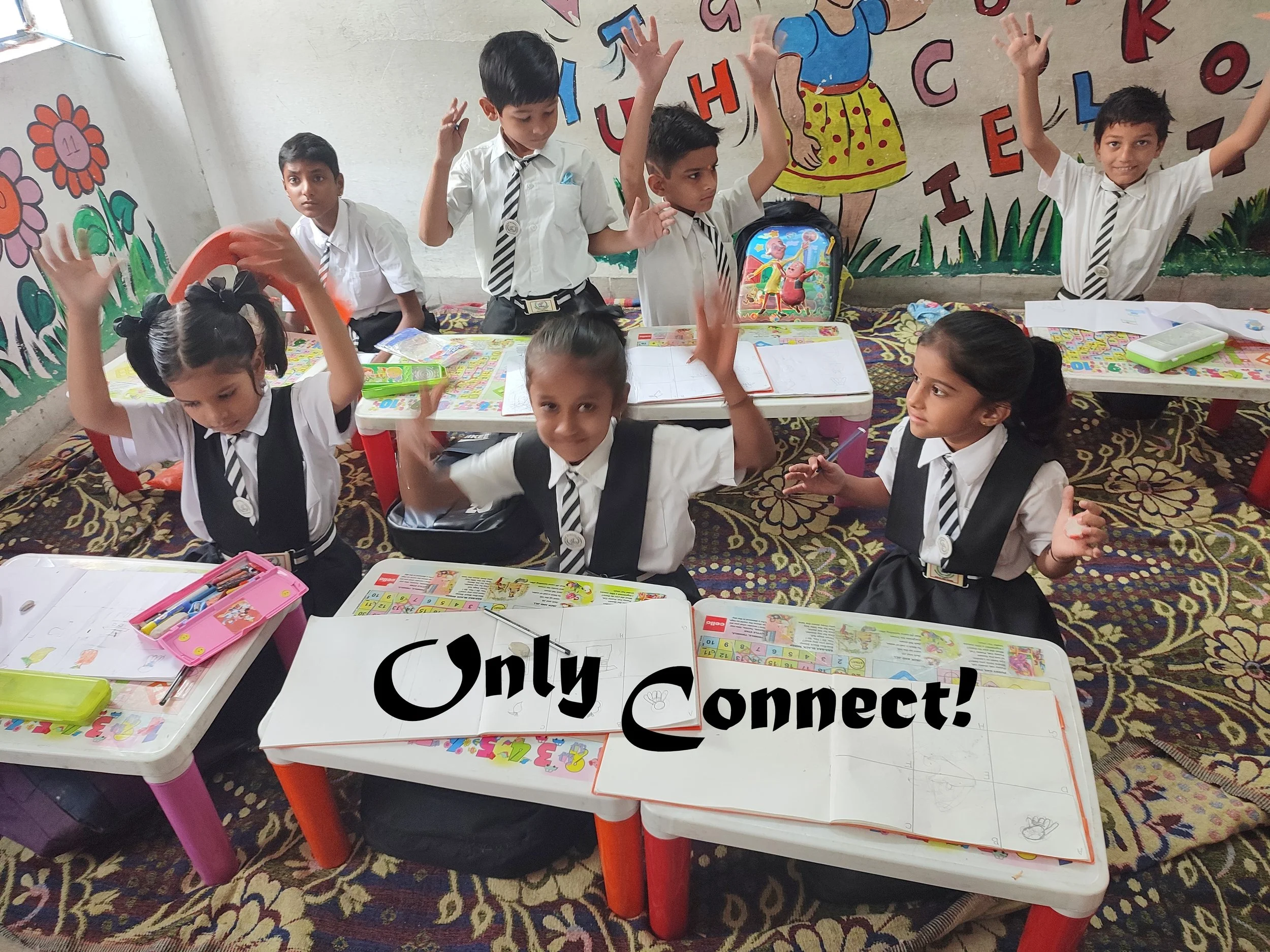
Only Connect! also hosts updated photographs of public schools for the disabled in Indore, logos, architecture, classroom facilities, and related infrastructure. Unless otherwise mentioned, all photographs in this website have been taken by me, during the course of fieldtrips and surveys. All textual information is sourced from detailed interviews with stakeholders: school principals and parents.
This project is by Swechha, supported by the American Centre and the US Embassy in India .
Only Connect! was completed in September 2022. The present website is an archive of the project.
-Dr. Ananya Ghoshal
Principal Investigator
Associate Professor of English Literature
Indian Institute of Technology (IIT) Indore
Madhya Pradesh, India
How Only Connect! was conceptualised: from the ground up
Step 1: Conducted an initial survey of public education in Indore through extensive field visits.
Step 2: Compiled a comprehensive list of schools for the Deaf, Blind, and children with speech difficulties in the city.
Step 3: Documented the daily lives and experiences of students, principals, and teachers at special schools for the disabled.
Step 4: Used the collected visual and textual data as the foundation for developing a new, disability-friendly website.
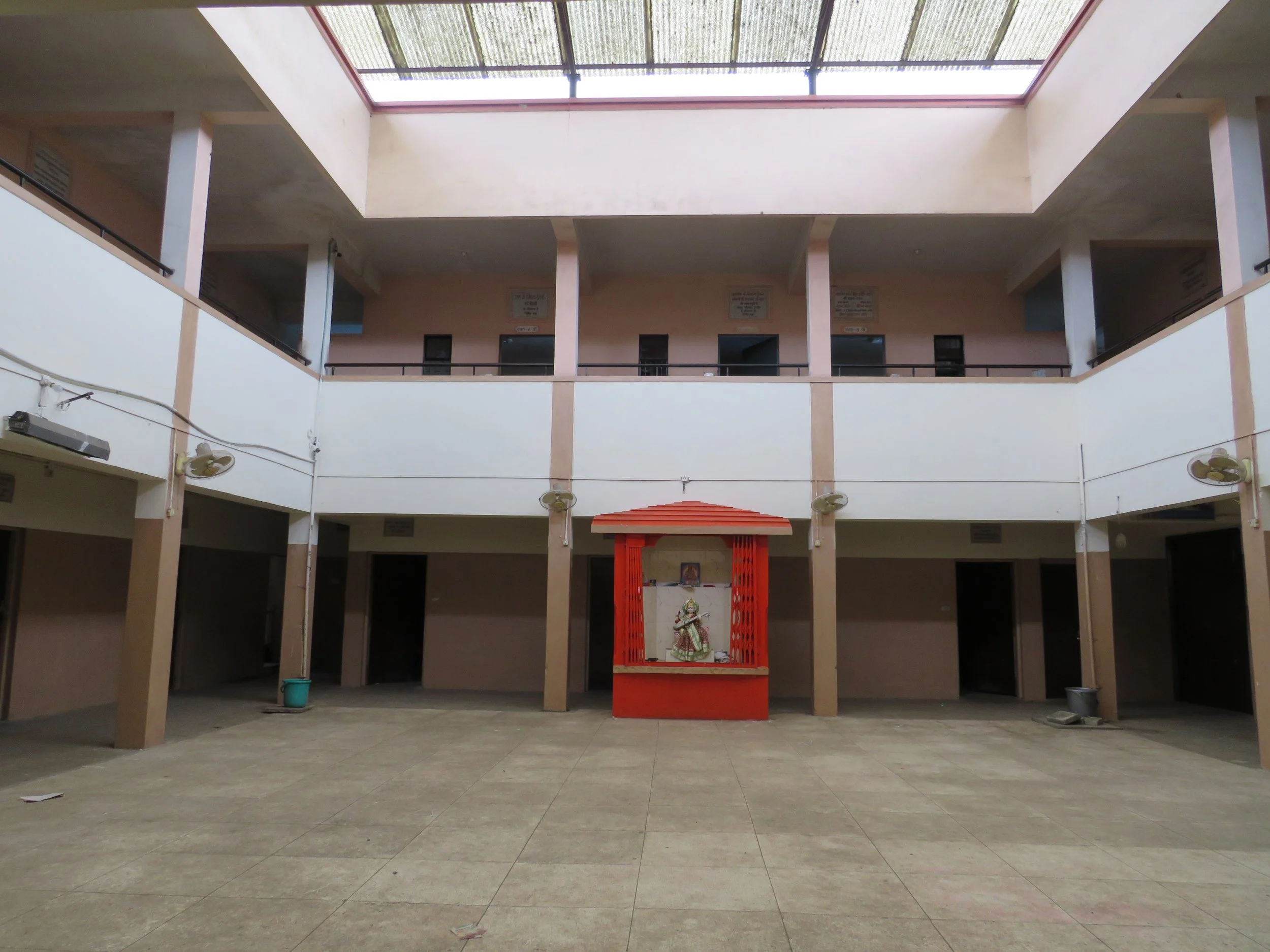
Hellen Keller Academy, Indore
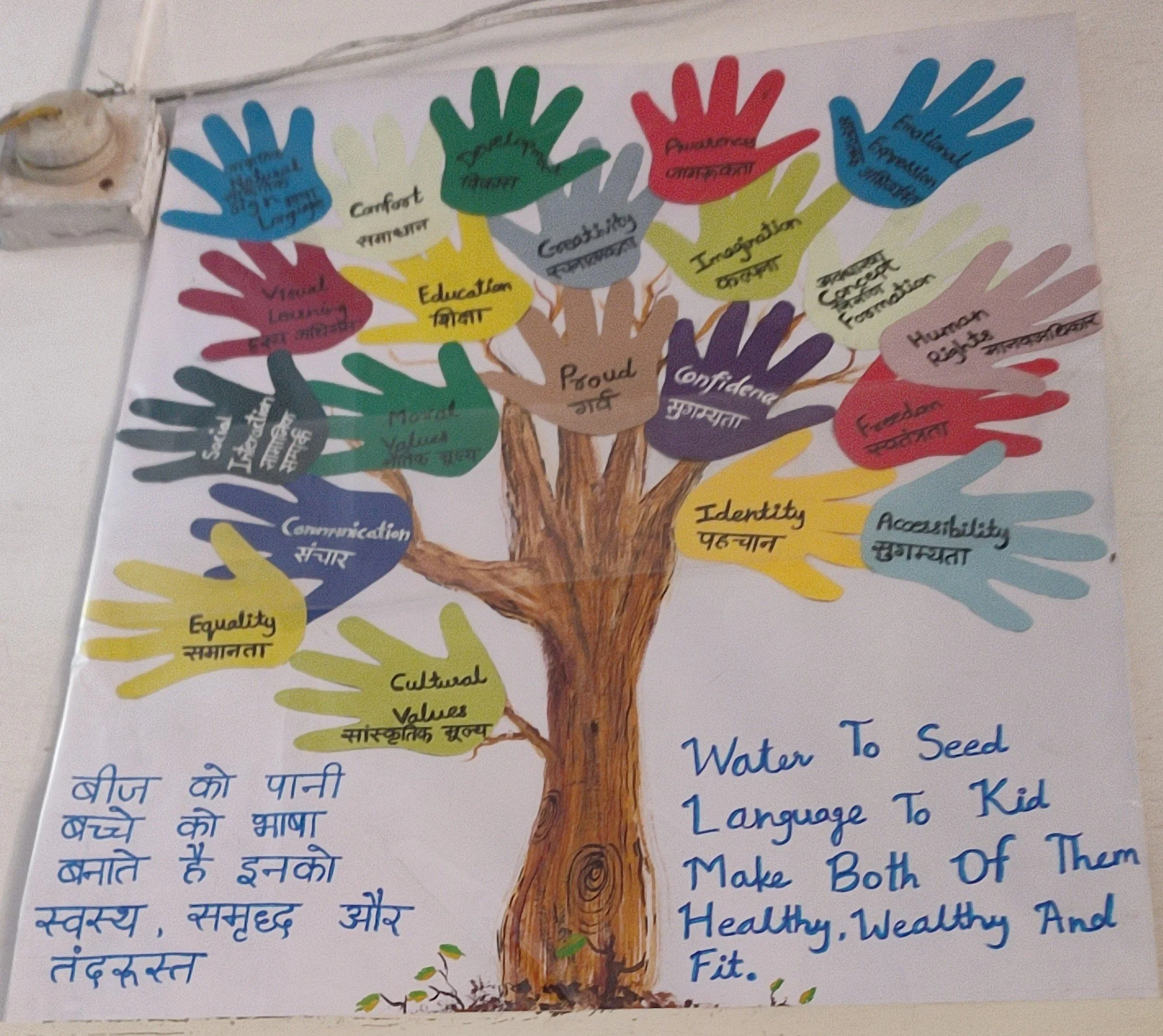
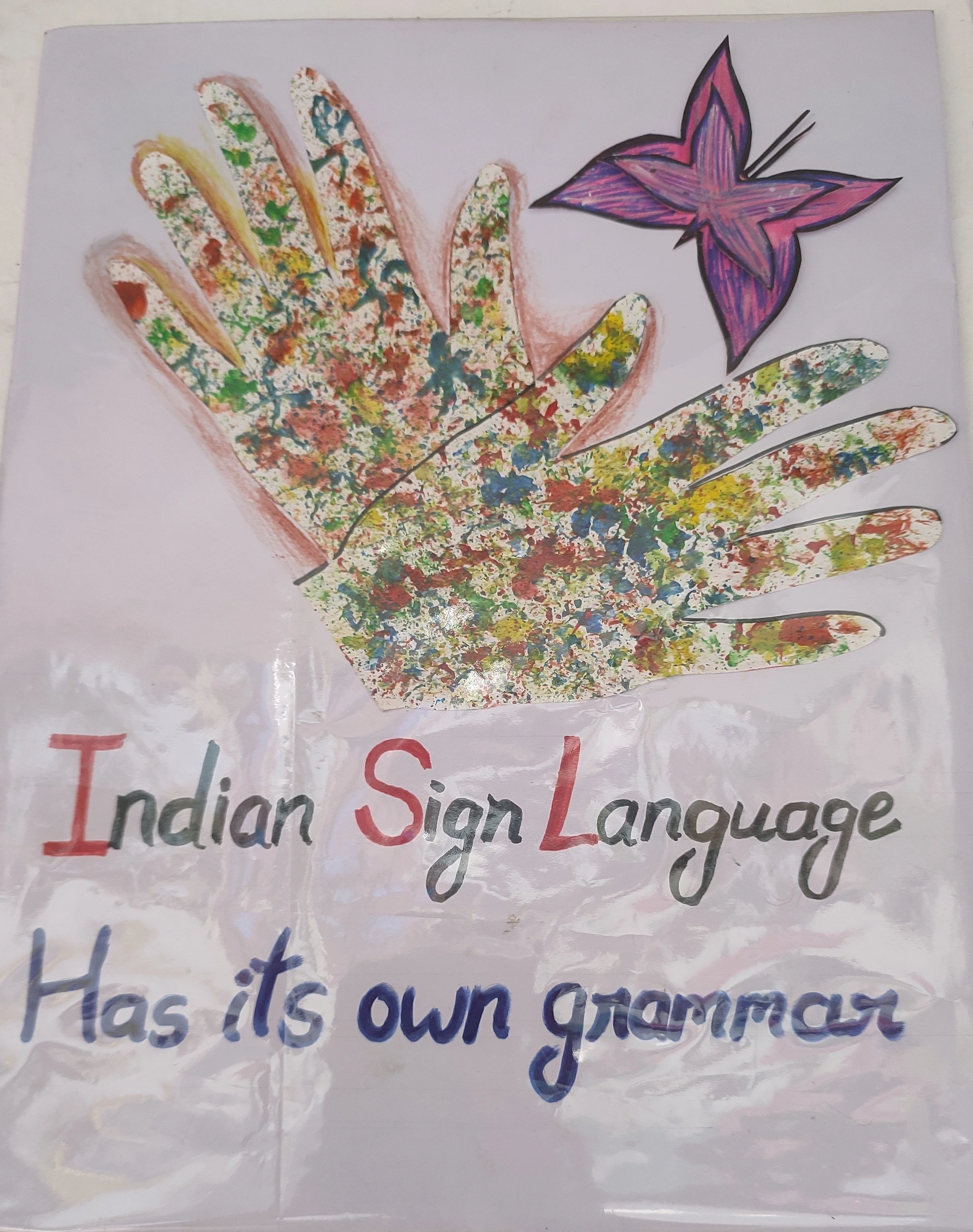
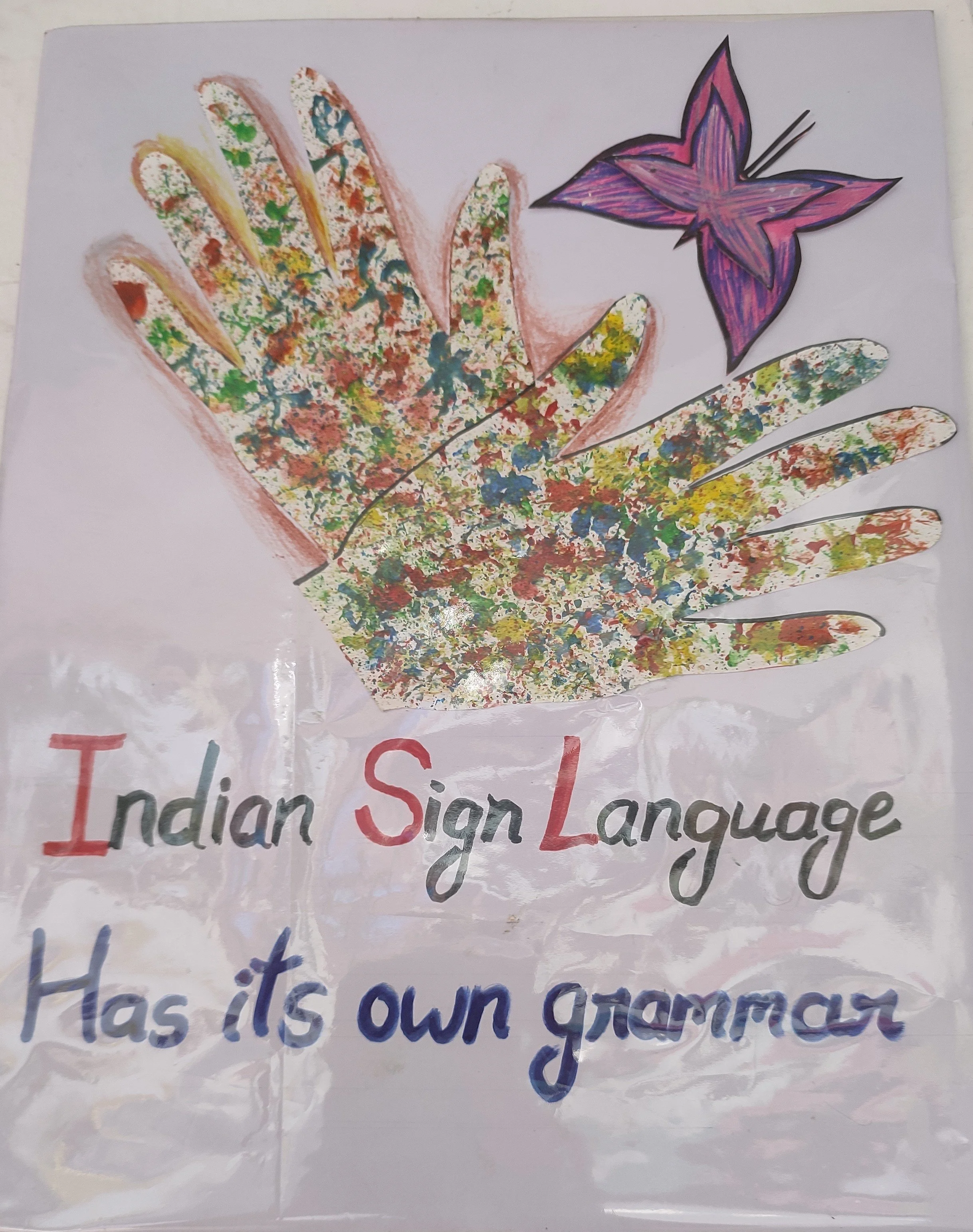
Student artwork from Indore Deaf Bilingual Academy, Indore